

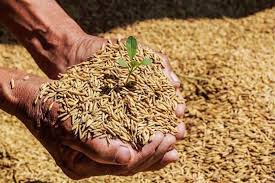
NEW DELHI: A parliamentary panel report has suggested creating seed hubs in each district by 2030, MSP for organic produce, and establishing a regulatory body to fix the upper price ceiling for seeds.
Giving a serious push for developing high-yielding seed varieties, the panel underlined the need to develop ‘seed hubs’ in every district by 2030 to produce breeder and foundation seeds, target 100% SRRs (seed replacement rate) for young varieties with subsidized breeder seed purchases and private sector incentives, and biennial performance audits by the Comptroller and Auditor General of India (CAG).
The committee recommended establishing a national commission or regulatory body to fix an upper price ceiling for seeds which aims to protect farmers, particularly small and marginal ones, from potentially exploitative pricing by dominant seed companies, thereby preventing indebtedness and ensuring inclusive agricultural growth.
It said the proposed body must include representation from farmers, state governments, and industry associations.
The panel emphasised the critical role of seeds in agriculture and the obsolescence of the Seeds Act of 1966 for a modern and technology-intensive sector.
“A New Seds Bill should mandate certification and barcoding, establish transparent rules for registration and licensing, and include stringent penalties to deter the sale of spurious seeds. There is also an urgent need to create uniformity in seed certification procedures across states by establishing a central seeds committee with consistent national standards,” it said.
The parliamentary panel also bated for declaration of minimum support price (MSP) for organic produce to encourage organic farming, which is expected to improve nutritional security and foreign reserves.
It said enforcing mandatory labelling of all foods categorically stating whether they contain GM (genetically modified) ingredients or not, will enable consumers to make informed choices and discourage illegal sales.
The committee further recommended that autonomous status of the Coconut Development Board (CDB) should be upgraded by bringing its administrative and budgetary control directly under the Ministry of Agriculture rather than the Mission for Integrated Development of Horticulture (MIDH).
“This shift would enable a broader coverage and a more comprehensive approach in fulfilling the Board’s mandated activities. Bringing together institutes working on coconut and associated crops such as areca nut, spices, cocoa, and cashew, including the Coir Board, under a single umbrella would significantly enhance grassroots-level implementation,” it added.
It said women-led FPOs (farmer producer organizations) should be established in each district across the country over the next five years.
The committee also urged the government to launch a “Young Agripreneur Program” to train rural youths in precision agriculture, drone operations, and agribusiness over the next three years and accordingly, provide startup loans to these trained youths under the Agriculture Infrastructure Fund (AIF).